CAF achieves the largest transaction by a Latin American issuer in the Australian market.

Source:

CAF -development bank of Latin America and the Caribbean- became the first Latin American issuer to achieve the largest transaction in the Australian market for AUD 500 million, with a term of 5 years and a coupon of 5,300%.

The operation is another successful issuance for CAF, after the record issuances in dollars and euros carried out during 2024. The broad support of investors in CAF and the quality of its credit translated into a detailed demand from managers of funds (50%), central banks/public institutions (33%) and banks (17%). Geographically, the portfolio was divided between EMEA (40%), Australia (26%), Americas (13%), Asia (11%) and Japan (10%).

“We are very satisfied by the trust of local investors in CAF, which allows us to expand and diversify the sources of financing to bring more resources at competitive rates to support the countries of Latin America and the Caribbean in meeting the Goals of Sustainable Development and to improve their quality of life in general, which has been the mandate since our founding 56 years ago,” said Sergio Díaz-Granados, executive president of CAF.

CAF returns to this market with a public issue after 6 years, one of the most exclusive in the world and to which only prominent issuers have access. The placement banks were Deutsche Bank AG (Sydney Branch), Nomura International PLC and UBS AG (Australia Branch). It should be noted that CAF was the first Latin American issuer in the Kangaroo market.

For three decades, CAF has been carrying out a strategy of diversifying its financing sources, through an uninterrupted presence in global capital markets, which has placed it in a privileged position internationally. The multilateral promotes sustainable development and regional integration, through efficient mobilization of resources for the timely provision of multiple financial services, with high added value, to clients from the public and private sectors of the shareholder countries.


CAF issues largest bond in its history in the European market for EUR 1.5 billion

Source:

CAF, Development Bank of Latin America and the Caribbean, achieved the largest placement in its history in the European market, through a benchmark-sized bond for EUR 1.5 billion with a term of 6 years and a coupon of 3.625%. This issue also achieved the highest demand in CAF’s 30-year history in the capital markets, for an amount of almost EUR 6.6 billion, compared to the USD 6.35 billion registered in the bond issue carried out in January in the US market.

Amid an international market marked by high volatility in the face of a challenging geopolitical context, the issue was attended by approximately 180 investors from 24 countries, where more than 80% was led by European countries, followed by the Middle East, the Americas and Asia. Fund managers accounted for 35% of the placement, followed by banks with 28%, central banks and public institutions representing 22%, and pension and insurance funds with a 15% share. The bookrunners were BBVA, BNP Paribas, Credit Agricole CIB and Morgan Stanley.

“In less than 40 days of the year, we have achieved a demand of more than USD 12 billion, and we have placed approximately USD 3.5 billion, which evidences the interest of investors around the world in a better future for Latin America and the Caribbean through CAF. This commits us more to continue consolidating ourselves as the green bank and of sustainable and inclusive growth with diverse initiatives that improve the quality of life of the population,” said Sergio Díaz-Granados, Executive President of CAF.

Investor confidence is also reflected in the risk ratings. Japan Credit Ratings Agency (JCR) today affirmed the long-term rating at AA+ with a stable outlook; while Fitch Ratings affirmed on January 10 the long-term rating at AA- with a stable outlook. In 2023, S&P Global raised CAF’s long-term rating to AA, from AA-, with a stable outlook. In turn, Moody’s Investors Service (Moody’s) affirmed the long-term rating at Aa3, with a stable outlook. In this way, CAF maintains its highest ratings in history by all agencies.

CAF has been carrying out, for more than three decades, a strategy of diversification of its sources of financing, through an uninterrupted presence in the global capital markets, which have placed it in a privileged position internationally.

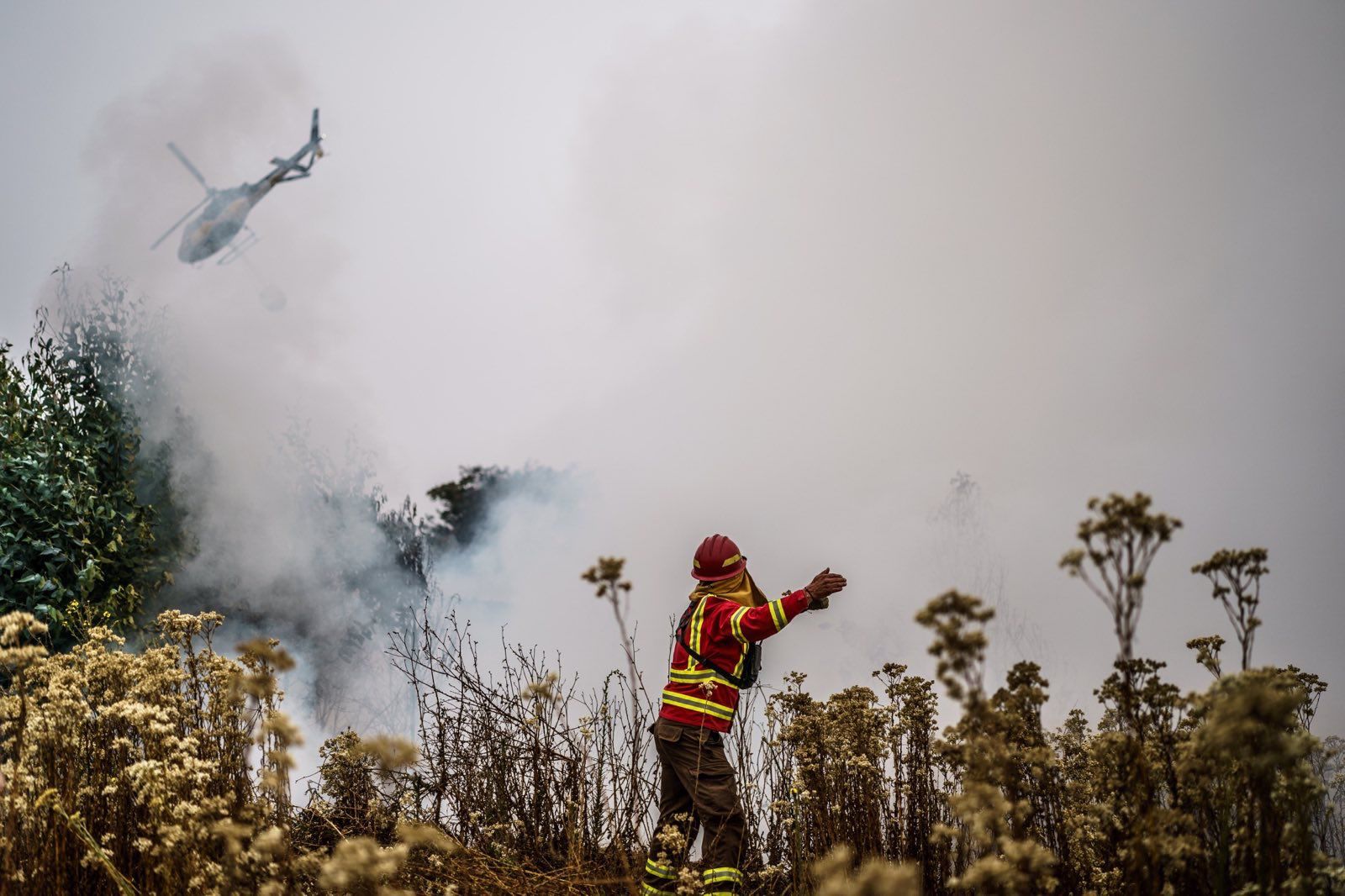
CAF stands in solidarity with Chile due to the forest fires

Source:

CAF -the development bank of Latin America and the Caribbean- has made available to the Republic of Chile a donation of 250 thousand dollars to address the catastrophe caused by forest fires that have led to the regrettable death of dozens of citizens, in addition to significant material, infrastructure, and biodiversity losses in the affected areas.

The executive president of CAF, Sergio Díaz-Granados, sent a letter to the president of Chile, Gabriel Boric, expressing the institution’s solidarity with the devastating fires that occurred in the Valparaíso region.

In the letter, Díaz-Granados expresses “our deepest solidarity with the devastating effects of the voracious fire that is ravaging the Valparaíso region, which has caused sensitive human losses and considerable material damage”.

He also highlights the coordinated efforts by the Chilean Government to support those affected, as well as the resilience of the population in the face of the critical situation.

“I express our recognition for the actions taken by the National Government to support the affected and for the resilience of the population to face such a complex situation”, Díaz-Granados pointed out in the letter and added: “We express our deepest solidarity with the various fire outbreaks that are ravaging the Valparaíso region”, while making available technical and financial support from CAF to seek a structural solution to a phenomenon that is increasingly frequent and intense.

Through this contribution, CAF aims to support those affected by the fires, as well as contribute to the recovery and reconstruction processes of the material losses recorded in the area and collaborate with the country in the face of the catastrophe caused by the most severe forest fires of the last decade.

CAF and Microsoft sign agreement for regional growth through innovation

Source:

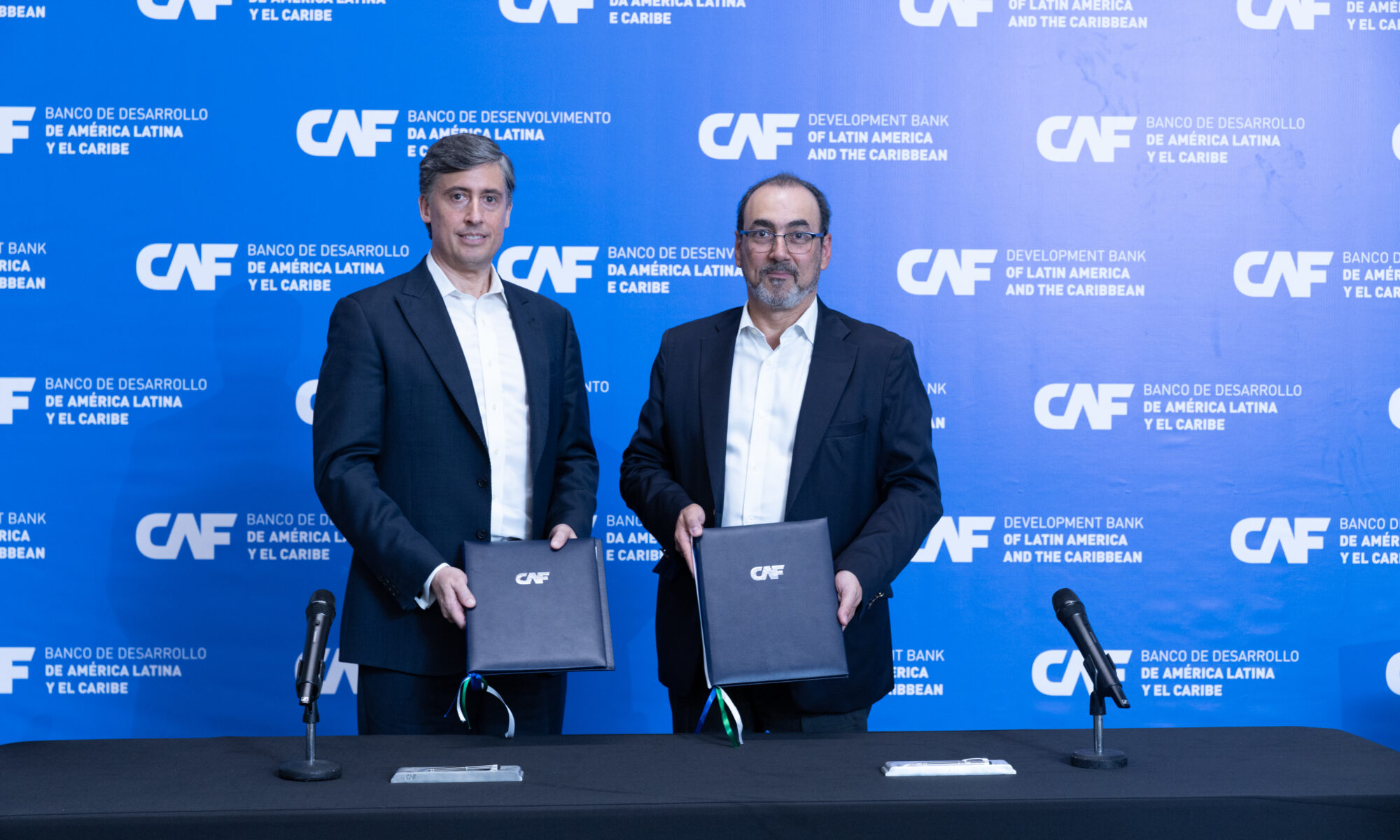
CAF -the development bank of Latin America and the Caribbean- and Microsoft have signed a Memorandum of Understanding aimed at formalizing cooperation between the two parties in various joint work areas that benefit Latin America and the Caribbean and drive technological innovation in the region.

Sergio Díaz-Granados, Executive President of CAF, and Tito Arciniega, President of Microsoft Latin America, signed the agreement which aims to generate, disseminate, and exchange knowledge on key aspects for the development and growth of the region, such as artificial intelligence (AI), digital skills, sustainability, and connectivity.

“Decisively advancing in the digital transformation of our countries will require, among other elements, strengthening the region’s digital innovation capabilities, increasing investment rates in digital infrastructure, and improving human capital skills to create a growth dynamic of the digital economy. This is why at CAF we celebrate this agreement to continue contributing with knowledge, technical assistance, and financing to digital inclusion, the transformation of societies through the responsible use of AI and other emerging technologies, and environmental sustainability supported by digital technologies,” stated Sergio Díaz-Granados.

Tito Arciniega, President of Microsoft Latin America, highlighted that, “This agreement represents a significant milestone in the consolidation of our relationship with CAF, with whom we share a vision focused on driving the development of the region through access to and utilization of technology, promoting connectivity, digital skills, employability, the responsible adoption of Artificial Intelligence, and the creation of a sustainable future.”

Within the areas of work of this agreement, there is a focus on promoting the responsible use of AI, through initiatives that encourage the adoption and application of this technology to improve the quality of life of the population. In addition to boosting efficiencies in public entities and fostering their use as enablers of opportunities for the region, applying best practices to build safe, secure, and transparent AI systems that benefit society. In this regard, CAF and Microsoft have begun to develop a repository of AI applications in the region that serve to address the most pressing challenges of our countries.

In the field of digital skills and employability, the agreement is focused on providing training to all individuals, so they can acquire the digital skills necessary to face a changing economy. As part of the execution of this program, we will be announcing in the coming days a Cybersecurity course for women in the region. Similarly, on March 25, the Digital Marketing 360 course will be opened, reaching 6,000 women.

Regarding connectivity, the agreement will develop joint initiatives that enable the expansion of high-speed and low-cost internet connectivity, through devices that leverage the white spaces in the radio spectrum, with Microsoft’s Airband program, to benefit communities without connection, with an emphasis on rural populations.

As for sustainability, the signing of this agreement will promote initiatives that can drive environmental sustainability in development activities, such as reducing the gap between rural and urban areas, creating conditions that increase agricultural productivity and allow for economic and social development, to foster a more sustainable future for the region.

Both parties agree on the importance of this agreement, which not only represents a significant milestone in the consolidation of the relationship between CAF and Microsoft but also strengthens their commitment to drive the growth of individuals and businesses throughout the region.

CAF and UNDP: Partnership for Development in Latin America and the Caribbean

Source:

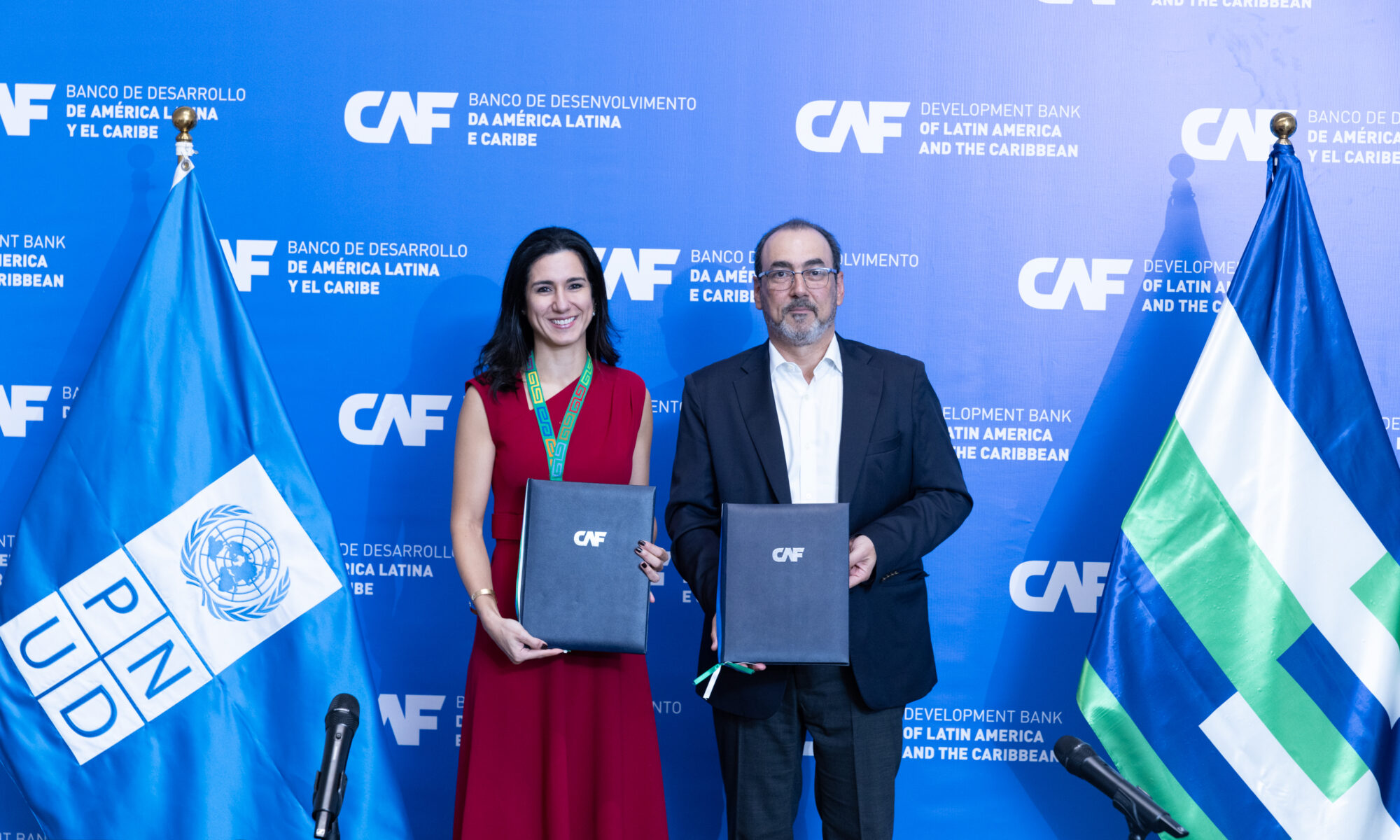
CAF -the development bank of Latin America and the Caribbean- and the United Nations Development Programme (UNDP) have signed a framework agreement on procedures that will allow both institutions to collaborate more agilely in generating knowledge, providing technical assistance, and financing instruments to offer comprehensive solutions with local impact in alignment with the national development priorities of the countries in the region.

This partnership reflects a unique complementarity of capabilities and experiences, where six decades of UNDP’s broad established presence in the region enhance CAF’s vision and reach as the development bank of Latin America and the Caribbean. Both organizations are firmly committed to being a driving force for progress and well-being for Latin American and Caribbean societies, recognizing the importance of dialogue, participation, and consensus-building among different sectors of society.

“We continue to strengthen our cooperation with the UNDP to offer more efficient solutions that allow us to provide a quicker and more comprehensive response by leveraging the capabilities and experience of each institution to serve the communities. 2030 is getting closer, and the window of opportunity to drive the achievement of the SDGs is narrowing, which is why we have reinforced our partnership with the UNDP to accelerate our efforts and ensure no one is left behind,” stated Sergio Díaz-Granados, Executive President of CAF.

Michelle Muschett, Assistant Administrator and Regional Director of UNDP for Latin America and the Caribbean, stated, “As UNDP, we recognize the importance of partnerships to advance our mandate of reducing poverty, promoting sustainable development, and strengthening democratic governance at the speed and scale demanded by today’s challenges. Through this agreement with CAF, we take our partnership to another level, which will allow us to more agilely accompany national and local development priorities without leaving anyone behind”.

The signed agreement adds to the Memorandum of Understanding signed in 2006 and reinforced in 2022, which promotes the exchange of knowledge and support for projects in areas of democratic governance, including public sector reforms; digitalization and capacity development initiatives; climate action, including efforts for disaster risk reduction and green financing; sustainability-linked bonds, and the promotion of gender equality among others.

Latin America and the Caribbean propose solutions to gain global relevance

Source:

The CAF Annual Conference in Panama gathered distinguished international experts, including a Nobel Prize winner in Economics, the director of the IMF, and high-ranking representatives from the World Bank, UNDP, private sector, and academia, to visualize, understand, and devise action plans that accelerate the 2030 Agenda and globally position the solutions of Latin America and the Caribbean in areas such as climate change, digitalization, migration flows, or food security.

Latin America and the Caribbean need partnerships to reduce historical gaps in education, poverty, integration, health, and equity, and to have a more decisive impact on major global trends such as climate action, Artificial Intelligence, energy transition, or migration and food crises. These are the main conclusions of the distinguished group of international experts gathered at the CAF Conference: Latin America and the Caribbean, a region of solutions, which proposed measures to advance the 2030 Agenda and consolidate a new global voice.

The conference featured presentations by Esther Duflo, Nobel Prize in Economics in 2019; Kristalina Georgieva, Managing Director of the IMF; Janaina Tewaney, Minister of Foreign Affairs of Panama; Carlos Felipe Jaramillo, Vice President for Latin America and the Caribbean at the World Bank; and included the presence of distinguished global experts like Michelle Muschett, Under-Secretary-General of the United Nations; Amir Lebdioui, Professor of Economics at the University of Oxford; Alberto Arciniega, President of Microsoft Latin America; Julio Castiglioni, President of the São Paulo Metro; Denise Guillén Zúñiga, Minister of Tourism of Panama; and Sergio Londoño, Senior Vice President of Public Affairs, Communication, and Sustainability for Coca-Cola Latin America.

“Latin America and the Caribbean must raise its voice to avoid falling into irrelevance. We need new partnerships to better integrate infrastructure and accelerate trade flows, to adapt to climate change and close the equity gaps in a region that remains one of the most unequal on the planet. To achieve this, Latin America has CAF, whose mission continues to be solving the structural problems of the region,” said Sergio Díaz-Granados, Executive President of CAF.

Nobel Laureate Esther Duflo shared her perspectives on the global economic situation and the role that the countries of the region play in it, analyzing the impact and the need for randomized controlled trials to reduce poverty and improve the quality of life of the population. Referring to the role of development banks, she also highlighted the importance of choosing appropriate programs to amplify results and impact.

“Together we can help the region face its challenges and gain the strength it needs in this world prone to shocks”, said Gueorguieva from the IMF, who valued the collaboration between the IMF and CAF in supporting countries with urgent financial needs and ensuring the financial stability of Latin America and the Caribbean.

Tewaney from Panama highlighted that “we are and will continue to be one of the most abundant and rich regions in the world from practically all points of view. To make the most of our wealth, we will obviously need to attract capital, and this will only happen if we manage to advance towards effective governance”.

According to Jaramillo from the World Bank, “we have to help raise this voice so that countries can capitalize on the enormous potential we have. The decisions made today will set the course for future development”. During his presentation, Jaramillo proposed strengthening ties at all levels to help the region face future challenges with more guarantees.

The conference panels discussed key issues for the region’s future, such as the new development agendas of the countries, the geopolitical positioning of the region in a changing environment, the concerning economic outlook for the coming years, biodiversity as a bridge for innovation, gender equality, the deployment of Artificial Intelligence, the need for a more robust private sector, the energy potential, or the challenges to achieve efficient regional integration.

Multilateral organizations are calling for improvements in education in Panama

Source:

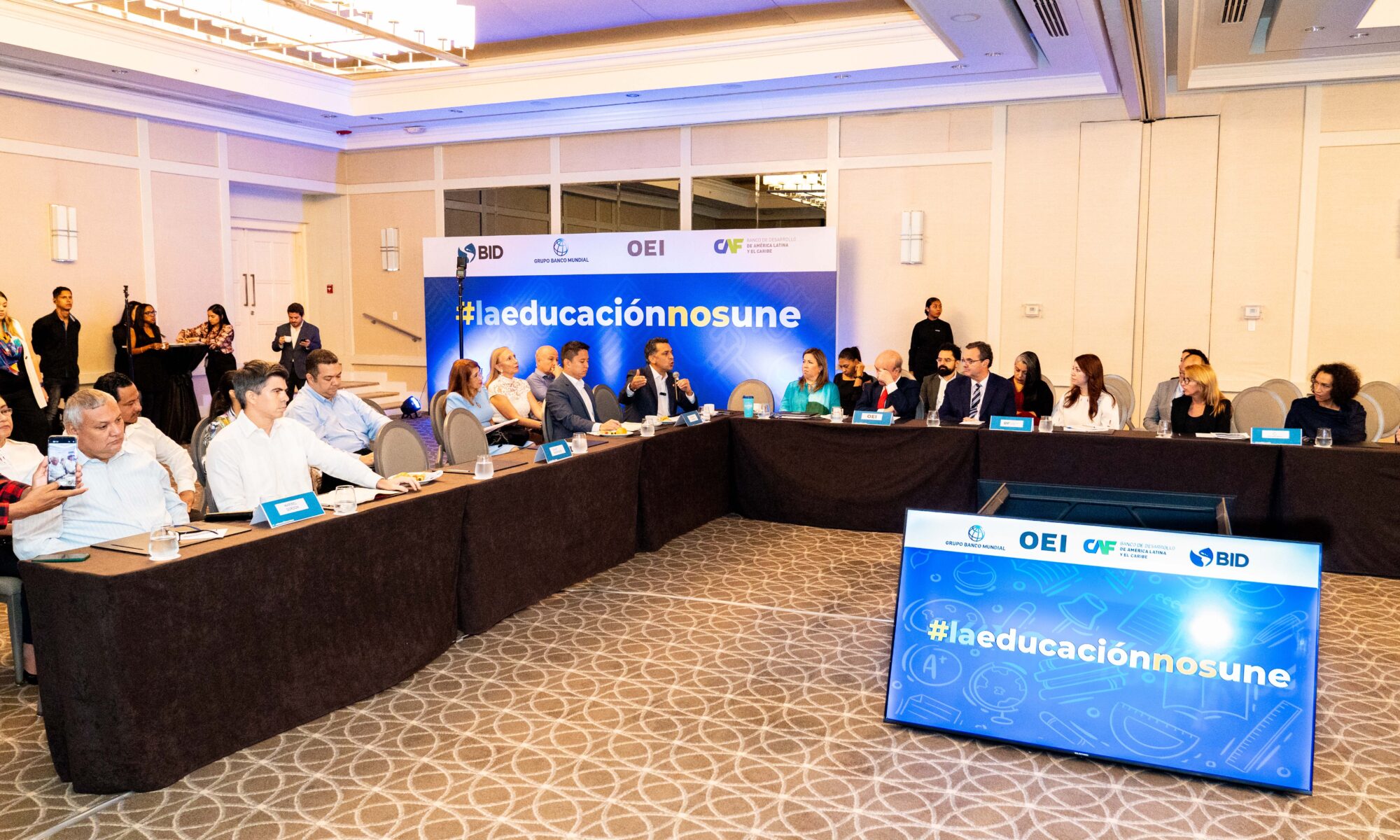
In Panama, nearly 7 out of 10 children cannot read a simple text by the end of their primary education cycle. By the time they turn 15, 6 out of 10 adolescents still have not achieved minimum competency levels in reading, according to data from the World Bank and the 2022 PISA Test. These figures demonstrate that, despite efforts and advances made in recent decades, Panama still faces significant educational challenges. To address these challenges, the Inter-American Development Bank (IDB), the World Bank (WB), CAF -Development Bank of Latin America and the Caribbean-, and the Organization of Ibero-American States for Education, Science, and Culture (OEI) are joining efforts to support the country in strengthening and improving the quality of education.

As part of their actions, they have initiated a series of meetings with presidential candidates and their technical teams, civil society, the private sector, among others; to identify synergies and areas where they can work together to overcome the education crisis.

The main goal is to combine experience, knowledge, and resources so that the country can guarantee Panamanian children, adolescents, and youth the education and skills necessary to face the challenges of the present and future.

These organizations are committed to supporting the country in key areas that contribute to improving the quality of learning and teacher training and performance, strengthening learning skills focused on literacy and mathematical logical thinking, digital transformation, and an education tailored to the needs of the labor market.

For representatives of the IDB, WB, CAF, and OEI, educational reforms require continuity, consistency, and long-term commitment. The time to act for education is now. Despite the progress made, there are still significant challenges that have deepened after the pandemic. These organizations are united and committed to supporting Panama in strengthening the quality of education. It is an effort that requires the commitment and alignment of all civil society actors, education unions, the private sector, and the Government.

As part of the initial actions, representatives from the IDB, WB, CAF, and OEI extended invitations to the presidential candidates, and met with Martín Torrijos, candidate for president by the Popular Party; José Isabel Blandón, candidate for vice president from the Democratic Change and Panameñista Party alliance; Aida Ureña de Maduro, candidate for vice president of the Independent Social Alternative Party (PAIS); Ricardo Lombana, candidate for president by the Another Way Movement (MOCA); and Richard Morales, independent candidate for vice president. In these meetings, they discussed priority challenges, identifying areas for improvement, effective strategies, and recommendations that allowed for collective reflection on the importance of ensuring that education becomes a state policy that transcends governments and generations.

CAF inaugurates a modern ethno-educational institution in the Colombian Pacific

Source:

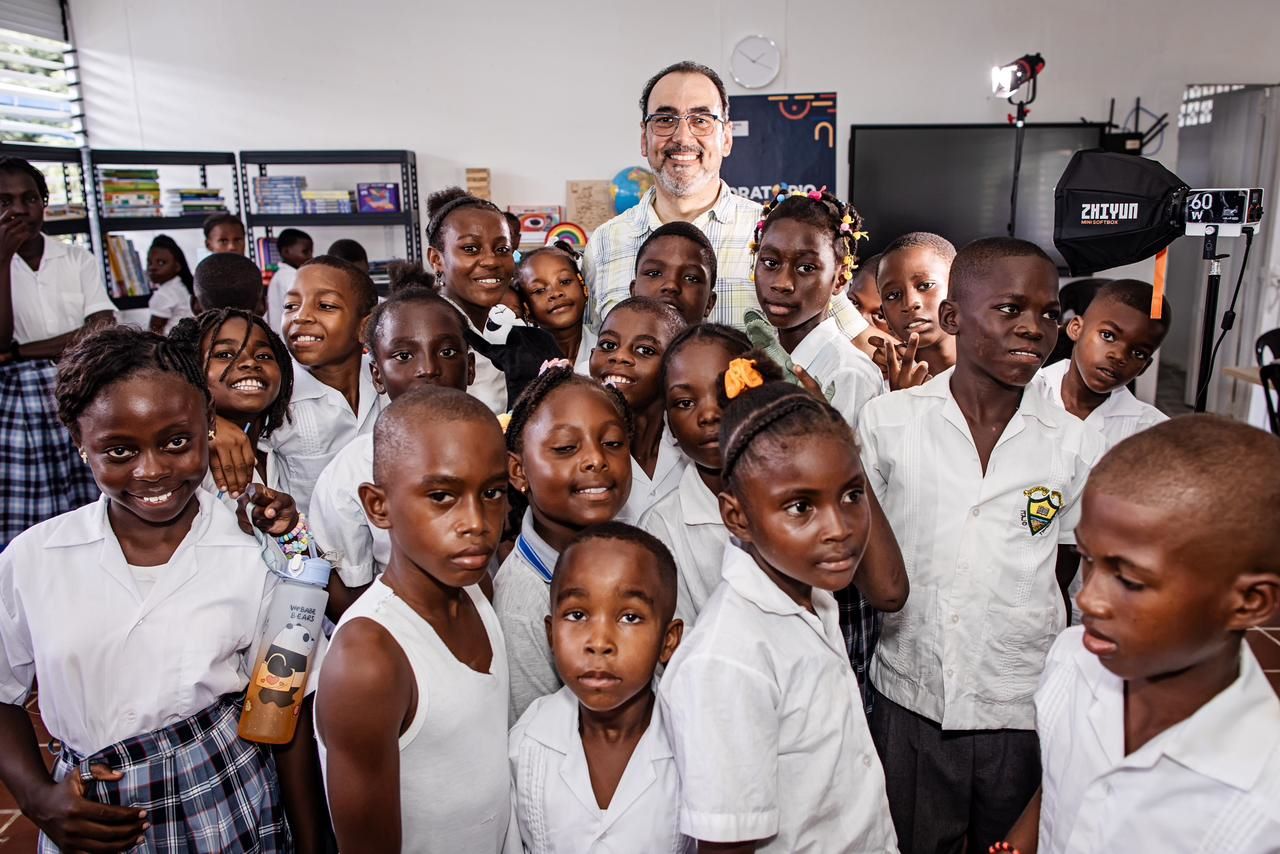
On the banks of the Saija River, in the Isla Los Brazos sector of Timbiquí (Cauca), there is a rural branch of the Puerto Saija Ethnoeducational Institution. This Thursday, as part of the Government with the People of the Pacific Coast, officials from the Ministry of Education of Colombia and CAF – the development bank of Latin America and the Caribbean – arrived at the site to deliver to the community a pilot project that consists of the construction of educational centers with modular technology, whose purpose is to bring quality education to hard-to-reach areas of the country.

The CAF-led project features 440 m² of new construction and another 400 m² of renovated space, benefiting 132 students in the area. Boys, girls, and young people will have access to 7 modern study classrooms, a dining room that will also serve as a community space, a teachers’ room, kitchen, provision of drinking water service, energy, solar panels, and basic sanitation. Additionally, the project includes a library, a dock, and a landing stage to facilitate student and community access to the educational institution.

This project involved an investment of 3,600 million Colombian pesos and was structured in ongoing dialogue with the teachers and administrators of the establishment, as well as with community leaders and families of the students who are now grateful for these new and dignified environments for the education of the children and young people of the area.

“The Modular School Timbiquí pilot is an innovative infrastructure model that includes highly durable and easy-to-assemble structures, with provision of drinking water, sanitation, and energy. This educational project, which will benefit the entire community of Los Brazos, is great news for Colombia and Latin America and the Caribbean, as it addresses one of the main challenges in delivering quality education to the most hard-to-reach areas“, said Sergio Díaz-Granados, president of CAF.

The Minister of Education, Aurora Vergara Figueroa, highlighted the commitment of multilateral and cooperation agencies, as well as private sector partners supporting educational infrastructure projects in the country’s rural areas.

“These contributions to the educational sector significantly help to bridge gaps by building a society of knowledge and local wisdom, where boys, girls, and young people, especially those living in rural communities and territories historically excluded and affected by violence, can learn in educational spaces that are dignified for their wellbeing and training”, stated Minister Vergara Figueroa.

The Deputy Minister of Preschool, Basic and Primary Education, Óscar Sánchez, assured that “this work represents a significant advance in recognizing our most remote territories. We know that the boys, girls, and young people will now have access to quality education and comprehensive training”, he said during the delivery of the new educational institution.

The modular school system used in this project allows for the construction of top-level educational institutions, with high infrastructure quality standards, and contributes to the goal of expanding the coverage of the educational system in all territories, especially in hard-to-reach areas.

This project of building modular schools in remote areas is part of the ongoing work of CAF – the development bank of Latin America and the Caribbean – to improve living conditions, rural development, and the integration of regions in Colombia, and has the potential to become public policy to extend quality education throughout the country, and also in other Latin American and Caribbean countries.

Furthermore, with the support of ‘Computers for Education,’ an innovation laboratory was installed, which includes robotics elements, a 3D printer, an interactive monitor, a STEM engineering kit, a content manager, and offline material for ICT use, establishing a center of interest in science, technology, and innovation for the comprehensive training of students in the region.


CAF has granted a line of credit for USD 50 million to the Paraguay Development Finance Agency

Source:

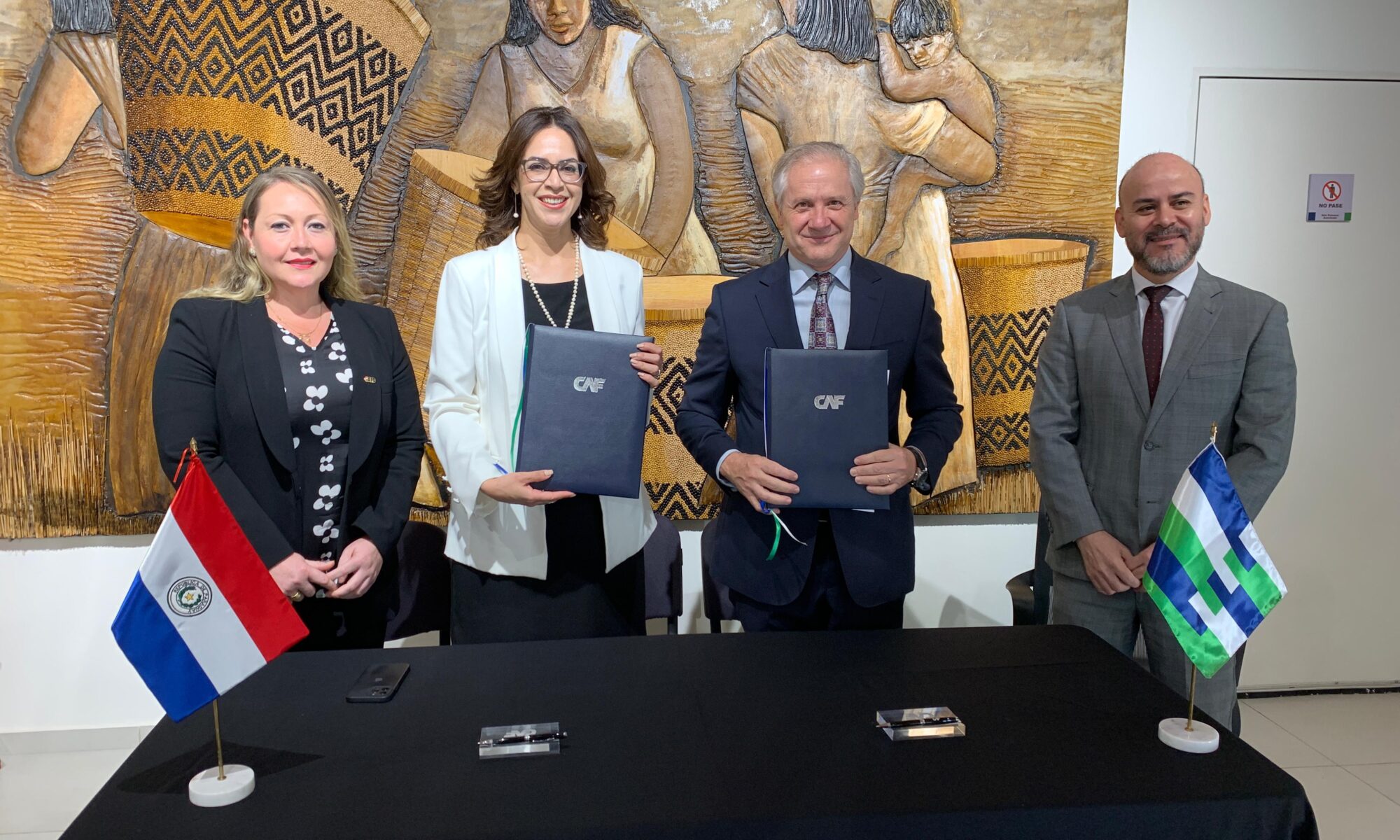
The agreement was signed by the CAF representative in Paraguay, Jorge Srur, and the president of the AFD, Stella Marys Guillén. Also present for the AFD were the General Manager, Analía Negri, the board member, Gerardo Ruiz Díaz and the Planning and Finance Manager, César Cardozo. On behalf of the CAF, the Senior Executive, Hernán Benítez, also participated.

The resources from this facility will be used to finance working capital, investments, economic activities linked to the agro-industrial sector, foreign trade operations and partial guarantees for AFD bond issues.

In this way, the credit line seeks to contribute to the consolidation of Paraguayan small and medium-sized businesses (MSMEs), especially those related to the agricultural and agro-industrial production chain.

It is important to mention that this facility allows disbursements in local currency through the CAF Bond Issuance Program in guaraníes (registered for an amount equivalent to USD 75 million). The additionality of this Program is highlighted, which allows the development bank to issue bonds at various terms, thus contributing to expanding financing and investment tools and deepening the Paraguayan capital market. In July 2023, CAF successfully carried out its first bond issue in guaraníes, under this Program, for an amount equivalent to USD 10 million.

In this way, CAF reaffirms its commitment to the sustainable and inclusive economic development of Paraguay, as an ally of CAF, strengthening the capacities and enhancing the actions of both institutions in the country.

Jorge Srur

“In this way, CAF reaffirms its commitment to the sustainable and inclusive economic development of Paraguay, as an ally of CAF, strengthening the capabilities and enhancing the actions of both institutions in the country, at the same time AFD strengthens its role as a driving agency. of inclusive productive investment in the country,” said Jorge Srur during the presentation of this agreement.

For her part, the president of AFD, Stella Marys Guillén, said “At AFD we are happy to start the year with this historic alliance, with a sister institution with which we share the mission of improving the quality of life of our compatriots; promoting, through financing, the sustainable development of the country. With this credit operation we are meeting two important milestones for AFD. It is the first operation in 18 years of institutional life with the CAF and we are also making use of a new legal authority which is to contract loans with the support of our own balance sheet.”balance”.

With this credit operation we are meeting two important milestones for AFD. It is the first operation in 18 years of institutional life with the CAF and we are also making use of a new legal authority which is to contract loans with the support of our own balance sheet.

Stella Marys Guillén

CAF and Embratur seal a partnership to increase Afrotourism

Source:

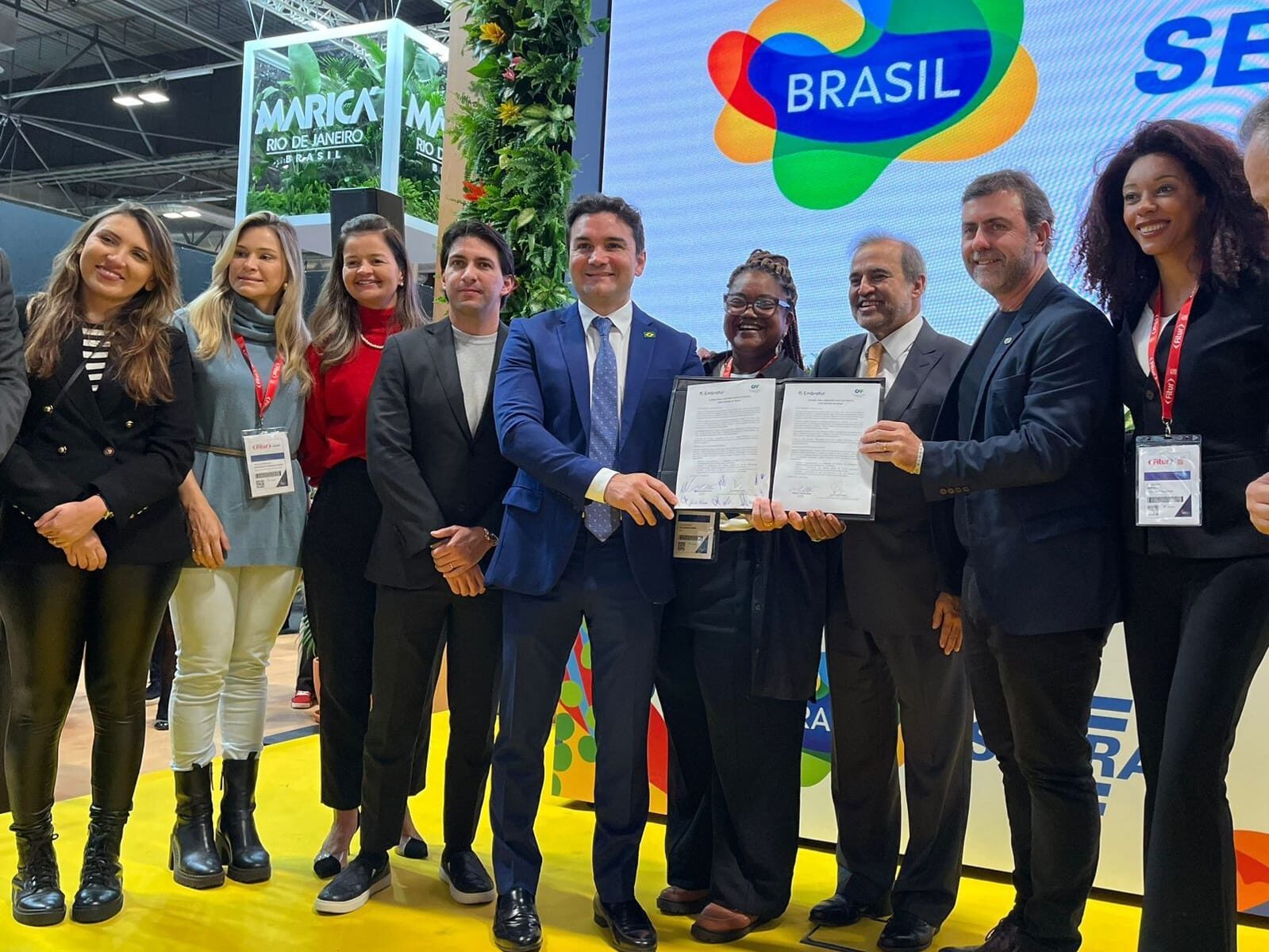
Stimulate Afrotourism in Brazil, through the promotion of its characteristics in the global market. This is with this main objective that the director of CAF’s Tourism area, Oscar Rueda García, and the president of Embratur Marcelo Freixo, signed a technical cooperation agreement worth US$150,000 today in Madrid. The concept of Afrotourism values ​​the protagonism of the Afro-Brazilian entrepreneur and refers to the incorporation of tourist experiences that involve the celebration of the culture, history and experiences of the Afro-descendant population.

The signed agreement provides for the creation of an Afrotourism Map in Brazil, the elaboration of a document to be worked on with the tourism segment with good practices, with an emphasis on afrotourism and ethnic tourism. Furthermore, training will be carried out on the subject with entrepreneurs and leaders from the public sectors and a Strategic Plan for the International Promotion of Afrotourism will be developed.

“Brazil is expected to have 8% of GDP covered by the tourism sector in 2024, with tourism revenue projections that exceed the pre-pandemic level. The expansion of the offer of cultural tourism through Afrotourism can be a valuable attraction for tourists from all over the world, as there is a growing trend of interest in tourism projects that promote African cultural heritage. This is a new market, which is beginning to establish itself in the global tourism network, with ample opportunities for Brazil to explore”, stated Oscar Rueda.

Afrotourism is a central axis of our strategy to promote new experiences. It is a segment compatible with what the 21st century demands of us – to be anti-racist, valuing and respecting the culture of the Afro-Brazilian population. Promoting afrotourism contributes to the process of recovering history and valuing culture, but it is also a big business, which generates jobs and income, and empowers black entrepreneurs”, says Marcelo Freixo, president of Embratur.

For Freixo, the technical cooperation agreement will contribute to Embratur’s efforts to increase the arrival of foreign tourists interested in experiencing afrotourism in Brazil. “We are talking about visiting reference sites for black events, but also experiences of quilombos, terreiros, samba schools, afro blocks, music and arts festivals. We talk about the memories of our country, but also about what we are building in the present and what we project for the future”, he added.